

From Lingerie to Yoga Wear: The 6-Month Playbook 3 Brands Ran in 2026
In the first half of 2026, three established lingerie and loungewear brands did the same thing. Pour Moi, Fleur du Mal, and Adanola all launched collections covering yoga and Pilates categories within roughly six months of each other. The timing is not the coincidence it looks like. Each brand moved on customer data, each finished development in about six months, and each went to market through established multi-brand retail.
Why lingerie brands moved into yoga wear first
Customer behaviour drove the move, not a sudden interest in sport. Pour Moi founder and CEO Michael Thomson told TheIndustry.fashion that the brand saw strong growth in demand for softer, comfort-driven styles, particularly non-wired bras and stretch fabrics, after the shift toward comfortable clothing. Pour Moi developed the “Off Duty” line in around six months in response to that data.
The same signal showed up across the pond. Fleur du Mal founder Jennifer Zuccarini told WWD that customers had requested activewear for years before the brand finally launched “Fleur du Sport” in April 2026. The request repeated across enough customers that it became a mainstream signal.
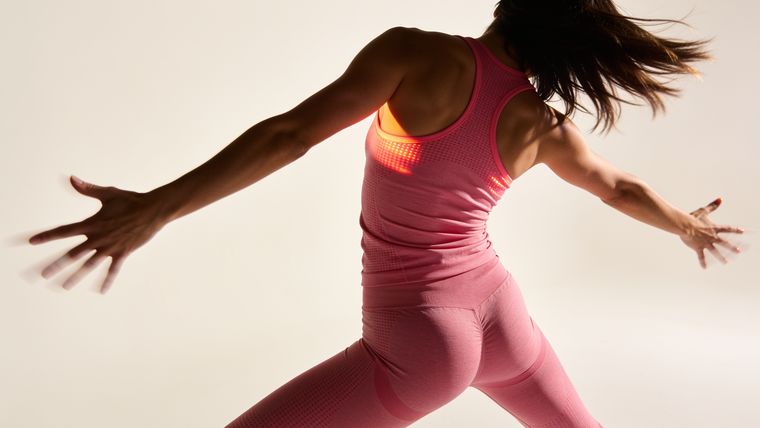
There is a structural reason lingerie fits yoga wear better than most categories do. Bras already solve support, fit, and all-day comfort. Yoga apparel asks for the same three things, plus movement range. That overlap is why the first crossover collections read as natural extensions rather than experiments.
The shared path: data, fabric, distribution, scale
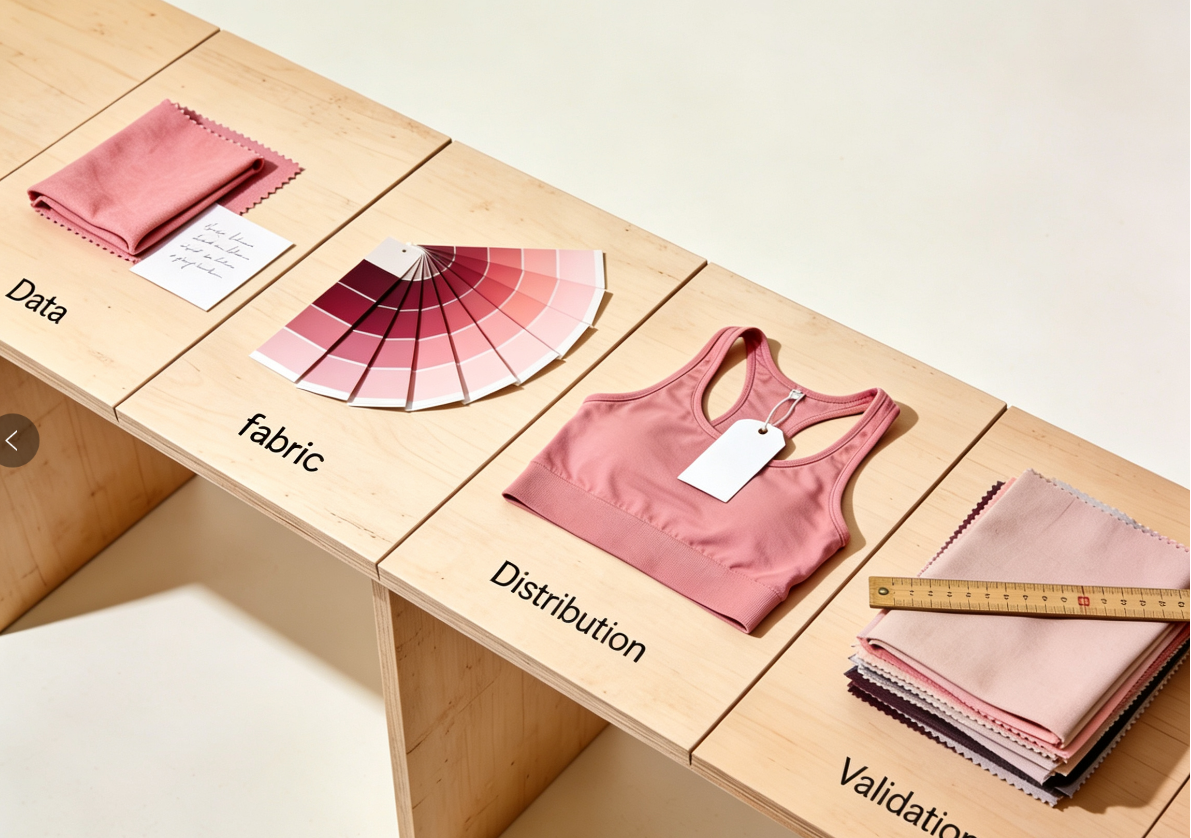
The three brands did not copy each other, but their timelines line up. The pattern each one followed:
If your brand is weighing the same move, the pattern below took each of them about six months to run.
| Brand | Origin | Launch | Line size | Price range | Key fabrics | Distribution |
|---|---|---|---|---|---|---|
| Pour Moi | UK lingerie & swimwear | Jan 2026 | 20+ pieces | £19-£58 | 210g nylon/spandex, Lenzing Ecovero | pourmoi.co.uk, NEXT, M&S, Very, John Lewis |
| Fleur du Mal | US luxury lingerie | Apr 2026 | 16 pieces | $88-$395 | Four-way stretch jersey, true Lycra, Le Stretch lace | Own retail, direct |
| Adanola | UK activewear & loungewear | Feb 2026 | Capsule sets | Not disclosed | Seamless stretch knits | Own e-commerce |
Step 1: Read the data. Every brand started with a repeated customer request or a demand signal in sales data. No brand launched on a guess.
Step 2: Develop in about six months. Pour Moi went from decision to shelf in roughly six months. The line used fabrics already proven in their category: 210g nylon/spandex for leggings and bralettes, Lenzing Ecovero for a tank top. Fleur du Mal worked four-way stretch jersey with true Lycra into silhouettes that kept the brand’s signature lace details. For context, a seamless sample run at Ziyang takes 25 to 35 days and a cut-and-sew run 20 to 30 days, which leaves room for at least two sample rounds inside that window. We covered the fabric choices worth weighing in Why Fabric Innovation is the Real Secret to Scaling Your Activewear Brand.
Step 3: Route distribution through partners. Pour Moi launched on its own site, NEXT, Brands at M&S, and Very, with John Lewis stores following. The brands did not need to build a new route to market, because athleisure fit the retail relationships they already had.
Step 4: Measure early demand. Pour Moi reported early performance above expectations, with customers buying multiple pieces to build full sets. The line also attracted a slightly younger customer than the core lingerie audience.

What bra DNA carries into yoga wear
The most useful part of these launches, for a brand considering the same move, is what each company carried over from its core category.
| Lingerie strength | How it transfers to yoga wear | 2026 example |
|---|---|---|
| Fit and support engineering | Bra-sized sports bras, built-in support | Fleur du Mal Shaping Catsuit with built-in bra |
| Inclusive sizing | Extended size runs for curvier bodies | Pour Moi sizing up to UK 18, Fleur du Mal inclusive fit |
| Comfort-first fabrics | Second-skin feel without wires | Pour Moi 210g nylon/spandex, “buttery soft” fabric |
| Lace and detail language | Brand identity in technical garments | Fleur du Mal Le Stretch lace on track shorts |
None of this transfer happens automatically. The transfer happens through fit engineering. A brand that knows how to grade a bra cup to a bigger bust has a head start on a yoga bra, because the support problem is the same problem. A brand that has only made loose loungewear starts closer to zero on that question.
At the factory level, the two manufacturing routes map to the two product logics. Seamless knitting, which Ziyang runs on Santoni machines, gives the four-way stretch and low-friction feel that second-skin yoga pieces need. Cut-and-sew remains the better route for multi-panel bras where structure and colour blocking matter more than seamless comfort. Most crossover lines use both. We break down when each route wins in Seamless Knitting vs. Cut-and-Sew.
A wider signal beyond the lingerie cluster
The lingerie cluster is the strongest signal, but it is not the only one. Shapewear brand SKIMS partnered with Nike on a yoga and Pilates-focused “Studio Stretch” collection in February 2026. SKIMS is not a traditional lingerie brand, but the same comfort-first DNA is driving the same product direction. Fitness equipment brand Bala launched its first activewear collection, “Everyday Active,” in June 2026. Balenciaga introduced its TechWear line with pop-ups in Paris, Beijing, Shanghai, and Bangkok, and a partnership with Barry’s fitness studios across eight cities. Gymshark teamed with Bratz on a seamless sports bra and leggings capsule in May 2026.
On the high street, Primark launched a 240-piece activewear range in January 2026 with prices from £4.50, after reporting that activewear was its fastest-growing category with sales nearly doubling in a year. The retailer says it sells more than 70 pairs of leggings every minute in the UK.
Read together, these moves say the same thing: categories around yoga wear are converging, and established brands with real customer relationships are treating it as a growth line, not a side project.
What to verify before you cross
If your brand is considering the same path, four checks will tell you whether the timing makes sense.
1. Is the demand in your data? A repeated customer request or a rising comfort-fabric trend in your sales is the same signal these brands acted on. Without it, the launch is a bet.
2. Can your supply chain handle bra-level fit engineering? Yoga bras need graded support, which is a different skill from cutting a loose top. Ask whether your manufacturer has made sports bras before and can show fit records.
3. Does your existing retail route fit? These brands went to market through partners they already worked with. A crossover line that needs a new distribution model takes longer and costs more.
4. What is your realistic first order? Startups can test with stock styles at low MOQ. A full custom range with your own fabric and bra engineering moves the minimum higher, so plan the first drop around what the data supports, not what the mood suggests.
SET ACTIVE, a sportswear client, described its collaboration with us as follows: “It’s very rare to find a manufacturer that truly understands sustainable sportswear. Ziyang didn’t just produce our designs; they helped us improve our fabric choices.” If you are weighing a crossover into yoga wear, the 2026 launches show the path is well-trodden: follow the data and build on your strengths, then test through retail relationships you already have. Want to see how a sports bra style would work in your brand’s sizing? Send us your fit specs and we will walk you through the options.
