

Benefits of Cotton Activewear for Women
Cotton activewear gives women a softer, more breathable alternative to slick synthetic workout sets, especially for yoga, walking, Pilates, travel days, and everyday movement. The best pieces combine natural cotton with a small amount of stretch fiber, so you get comfort, coverage, and shape retention without giving up a more skin-friendly feel. For shoppers in the United States looking for eco-friendly activewear, cotton can also be a practical step toward a wardrobe that feels good, wears well, and aligns with lower-impact values.
- What makes cotton activewear different from synthetic gym clothes?
- The everyday benefits of women’s cotton activewear
- Cotton and sustainability go hand in hand
- How should you choose cotton workout clothes for your activity?
- Fabric blends make the biggest difference
- Style trends that make cotton activewear easy to wear
- How to care for cotton activewear so it lasts?
- Q&A: Quick answers for cotton activewear shoppers
- FAQ: Common questions about cotton activewear
- The takeaway for a softer, more conscious activewear drawer
What makes cotton activewear different from synthetic gym clothes?
Cotton activewear is different because it starts with a natural fiber that feels soft against the skin, absorbs moisture, and allows airflow, while many synthetic gym clothes are designed mainly for fast drying and compression. That makes cotton workout clothes especially appealing for women who want comfortable gym wear that transitions easily from a studio class to errands, working from home, or a weekend walk.
Synthetic fabrics such as polyester and nylon are common in performance apparel because they can wick moisture quickly and hold a tight, sculpted fit. Cotton behaves differently. It absorbs sweat rather than pushing it away from the skin, which can feel more natural and less slippery during low-to-moderate movement. The trade-off is that cotton usually dries more slowly, so it is not always the best choice for long runs, high-heat HIIT sessions, or outdoor training in very humid weather.
For many women, that trade-off is worth it. Cotton feels familiar, breathable, and less plastic-like. When blended with spandex or elastane, it can stretch enough for squats, lunges, yoga poses, and daily movement while still keeping the soft hand-feel people expect from cotton.
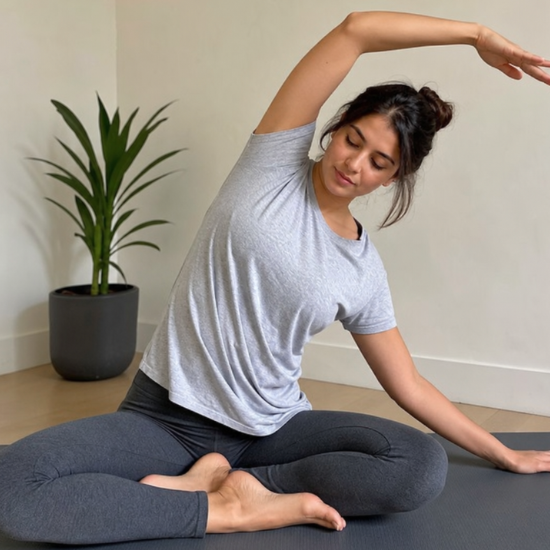
The everyday benefits of women’s cotton activewear
The biggest benefit of women’s cotton activewear is comfort you can actually live in. A well-made cotton legging, tee, tank, or sports bra does not need to be reserved for the gym. It can become part of a capsule wardrobe for school drop-off, grocery runs, remote work, road trips, and relaxed weekends.
Cotton’s texture also matters. Some people find synthetic fabrics too slick, clingy, or irritating, especially around waistbands, underarms, and bra bands. Cotton can feel calmer on sensitive skin because it is naturally soft and less likely to create that sealed-in feeling that some activewear has.
Cotton also tends to be easy to style. If you prefer stylish activewear options that do not look overly technical, cotton is a strong fit. Ribbed cotton tanks, wide-leg lounge pants, cropped sweatshirts, bike shorts, and high-waisted leggings can all look polished without feeling stiff. The result is activewear that supports movement but still feels like clothing you would choose outside the gym.
Key benefits include:
- Softness for long wear: Cotton feels comfortable during movement and while lounging afterward.
- Breathability: Natural airflow helps reduce the sticky, trapped sensation some synthetics create.
- Versatile styling: Cotton pieces pair easily with denim jackets, oversized button-downs, sneakers, and casual layers.
- Lower odor retention: Cotton often feels fresher for everyday wear, especially in light-sweat settings.
- Better comfort for gentle workouts: Yoga, stretching, barre, walking, and light strength training are natural matches.
Cotton and sustainability go hand in hand
For shoppers who care about sustainable fitness clothing, cotton can be a better choice when it is sourced thoughtfully. Organic cotton, recycled cotton, low-impact dyes, durable construction, and transparent manufacturing practices all make a difference. The word “cotton” alone does not guarantee sustainability, but it gives you a useful starting point for asking better questions.
Organic cotton is grown without the same chemical inputs associated with conventional cotton farming. Many conscious shoppers also look for certifications such as GOTS or OEKO-TEX when they are comparing eco-friendly activewear. These labels can help you identify garments made with stronger standards around fiber sourcing, processing, or chemical safety.
Durability is also part of sustainability. A pair of leggings that keeps its shape, resists thinning, and survives regular washing is more sustainable than a cheaper pair that needs to be replaced quickly. When buying cotton workout clothes in the United States, look beyond the color and silhouette. Check the fabric weight, stretch percentage, seam quality, and care instructions before you decide.
How should you choose cotton workout clothes for your activity?
Choose cotton workout clothes based on sweat level, range of motion, desired coverage, and how long you plan to wear them after exercise. Cotton is excellent for lower-impact movement and everyday comfort, while blended fabrics with stretch are better when you need support, opacity, and recovery through repeated bending or stretching.
For yoga and Pilates, look for leggings or flared pants with a high-rise waistband and enough elastane to prevent sagging at the knees. For walking or casual strength training, cotton bike shorts, joggers, tanks, and fitted tees can work beautifully. For lounging or travel, French terry, jersey, and ribbed cotton blends provide softness without looking sloppy.
A simple activity guide can help:
| Activity | Best cotton pieces | What to look for |
|---|---|---|
| Yoga or stretching | Leggings, fitted tanks, soft bras | Four-way stretch, high waist, non-restrictive seams |
| Walking | Joggers, tees, bike shorts | Breathable jersey, pockets, comfortable waistband |
| Light strength training | Leggings, tanks, cropped tees | Opacity, stretch recovery, secure fit |
| Travel and errands | Sweatshirts, wide-leg pants, matching sets | Wrinkle tolerance, easy layering, neutral colors |
| High-sweat workouts | Cotton-blend tops or post-workout layers | Faster-drying blends, looser cuts, backup layer |
If you sweat heavily, cotton can still have a place in your wardrobe. You may prefer a synthetic or plant-based performance fabric for the workout itself, then change into cotton afterward. This approach gives you performance when you need it and comfort when your skin wants to breathe.
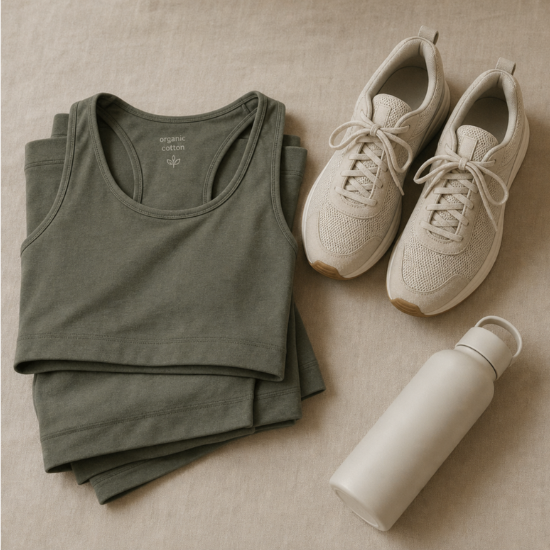
Fabric blends make the biggest difference
Pure cotton is comfortable, but it is not always ideal for activewear on its own. It can stretch out, hold moisture, and lose structure if the garment is not designed well. That is why many of the best cotton activewear pieces use a blend: mostly cotton with a smaller amount of spandex, elastane, or another stretch fiber.
A cotton-rich blend can give you the best of both worlds. The cotton brings softness and breathability. The stretch fiber helps the garment move with you and return to its original shape. This is especially important in leggings, fitted shorts, sports bras, and slim tanks.
When shopping, pay attention to fabric descriptions such as “organic cotton jersey,” “cotton rib,” “cotton spandex,” or “cotton French terry.” These terms tell you how the fabric may feel and perform. Jersey is usually soft and T-shirt-like. Rib can feel stretchy and body-skimming. French terry is thicker, cozy, and ideal for joggers or sweatshirts.
Do a quick quality check before buying:
- Stretch the fabric gently and see whether it snaps back.
- Check whether the leggings become sheer when stretched.
- Look for flat seams in areas that may rub.
- Read reviews for comments about shrinking, pilling, and waistband rolling.
- Choose darker colors or thicker knits if you want extra coverage.
Style trends that make cotton activewear easy to wear
Modern cotton activewear is no longer limited to basic sweatpants and oversized tees. Today’s stylish activewear options include matching sets, tonal neutrals, ribbed tanks, square-neck sports bras, straight-leg sweatpants, cropped hoodies, and soft flared leggings. These silhouettes work because they feel relaxed but still intentional.
For a minimalist wardrobe, start with black, charcoal, navy, cream, olive, or chocolate brown. These colors mix easily with everyday pieces and are less likely to feel dated. If you like color, try seasonal tones in smaller items such as tanks, tees, or lightweight sweatshirts.
Fit is personal, but balance helps. Pair a fitted cotton tank with relaxed joggers, or wear high-waisted leggings with an oversized cotton sweatshirt. If you want clothing that moves between workouts and casual plans, avoid pieces that feel too tight, too sheer, or too gym-specific. The best women’s cotton activewear should look natural in real life, not only in a mirror selfie.
How to care for cotton activewear so it lasts?
Care for cotton activewear by washing it gently, avoiding high heat, and giving stretch fibers a chance to recover between wears. Cotton is easy to maintain, but the wrong routine can cause shrinking, fading, pilling, or worn-out waistbands faster than necessary.
Start by reading the garment label. In general, cold water is a safer choice for cotton blends because it helps protect color and reduce shrink risk. Turn garments inside out before washing, especially darker leggings, ribbed tanks, and printed tees. Use a mild detergent and avoid overloading the washer so your activewear can rinse clean.
High dryer heat is one of the easiest ways to shorten the life of cotton workout clothes. Air drying is gentler, especially for leggings, bras, and fitted pieces with elastane. If you use a dryer, choose low heat and remove items while they are still slightly damp.
A simple care checklist:
- Wash in cold water to help protect color, fit, and fibers.
- Turn pieces inside out to reduce friction and surface wear.
- Skip fabric softener when possible because buildup can affect feel and breathability.
- Air dry fitted garments to protect stretch and reduce shrinking.
- Store folded, not stretched so waistbands and straps keep their shape.
Q&A: Quick answers for cotton activewear shoppers
Is cotton activewear good for the gym?
Yes, cotton activewear can be good for the gym, especially for stretching, warmups, low-impact strength training, mobility work, and casual sessions. For high-sweat workouts, cotton may feel heavy once wet, so many women prefer cotton blends or reserve cotton for before and after training.
What should I look for in Cotton Activewear for Women?
Look for cotton-rich fabric, enough stretch for movement, non-sheer coverage, smooth seams, and a waistband that stays in place. If sustainability matters, prioritize organic cotton, responsible dyeing claims, durable construction, and clear product information.
Can cotton workout clothes be stylish?
Absolutely. Cotton pieces often look more relaxed and wearable than technical gym gear. Matching sets, ribbed basics, wide-leg pants, and cropped layers can create polished outfits that still feel soft and easy.
FAQ: Common questions about cotton activewear
Is organic cotton better than regular cotton for activewear?
Organic cotton may be the better choice if you want sustainable fitness clothing with a stronger focus on farming practices and reduced chemical inputs. It is still important to check the full garment, including dyes, trims, and stretch fibers.
Does cotton activewear shrink?
It can shrink if exposed to high heat or aggressive washing. Cold water and air drying are the safest choices for most cotton and cotton-blend garments.
Is cotton better than polyester for odor?
Many people find cotton more comfortable for odor in everyday wear because it does not have the same slick, synthetic feel. Polyester can dry faster, but some wearers notice odors lingering more easily after repeated workouts.
Can I wear cotton leggings for yoga?
Yes, cotton leggings are often a great choice for yoga when they include stretch and provide reliable coverage. Choose a pair that does not slide down, become sheer, or restrict deep bends.
The takeaway for a softer, more conscious activewear drawer
Cotton activewear works best when you choose it for the right moments: yoga, walking, light training, travel, lounging, and everyday movement. It offers softness, breathability, versatile style, and a more natural feel than many synthetic options. For women in the United States building a practical wardrobe, cotton can be the bridge between comfortable gym wear and clothing that fits real life.
The smartest approach is not to treat cotton and synthetics as enemies. Use performance fabrics when you need maximum sweat management, and choose cotton when you want comfort, ease, and a more grounded feel. With the right blends, care routine, and attention to quality, eco-friendly activewear can be stylish, functional, and genuinely wearable day after day.
Post time: Oct-18-2026
