

In the world of premium activewear, the "feel" of a garment is just as important as the look. For brand owners and wholesalers, one of the most critical decisions in the development phase is choosing between Seamless and Cut & Sew manufacturing.
Both methods have the power to define your brand’s identity, but they serve very different purposes. At Ziyang, we specialize in both. Here is our expert breakdown to help you decide which path fits your next collection.
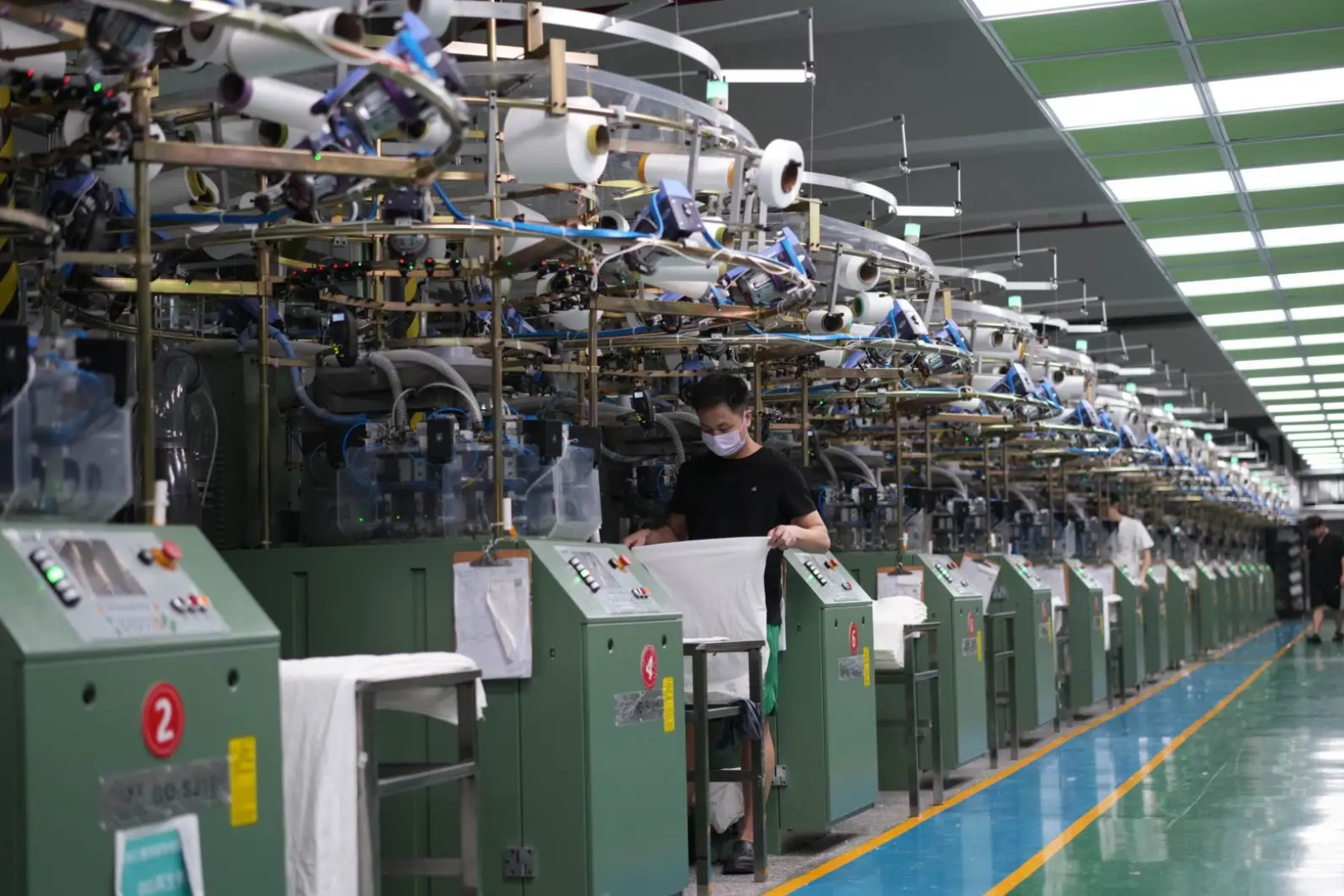
1. Seamless Manufacturing: The "Second Skin" Experience
Seamless technology represents the pinnacle of modern textile engineering. Instead of creating a garment from flat sheets of fabric, we use circular knitting machines—most notably the industry-standard Santoni machines—to "grow" a garment in a tubular form. This process turns yarn directly into a finished shape.
For a B2B buyer, the biggest advantage here is technical precision. Because the garment is programmed via computer, we can create "zones" of functionality. For example, we can knit a breathable mesh texture into the back of a shirt and a high-compression ribbing under the bust of a sports bra—all without a single stitch. This creates a "naked-feel" product that is highly popular in the high-end yoga market.
Furthermore, from a sustainability perspective, seamless is the clear winner. Traditional manufacturing often leaves behind 15–20% of fabric waste during the cutting process; however, seamless knitting produces almost zero waste, which is a powerful selling point for eco-conscious brands.

2. Cut & Sew: The Art of Custom Construction
While seamless is about engineering, Cut & Sew is about architecture. This is the traditional method where rolls of high-quality fabric—such as our premium nylon-spandex blends—are laid out, cut into specific pattern pieces, and then assembled by our skilled team.
This method is essential for brands that want to stand out visually. If your brand identity relies on color-blocking, intricate mesh panels, or functional utility like side pockets for phones, Cut & Sew is the only way to achieve it. It allows for "four-way stretch" fabrics to be reinforced with specific types of stitching, like 4-needle 6-thread flatlock seams, which provide that rugged, "squat-proof" durability athletes look for in the gym.
From a business standpoint, Cut & Sew offers unmatched versatility. You aren't limited by the diameter of a knitting machine, meaning you can easily produce plus-size collections or high-impact gear that requires heavy-duty structural support.
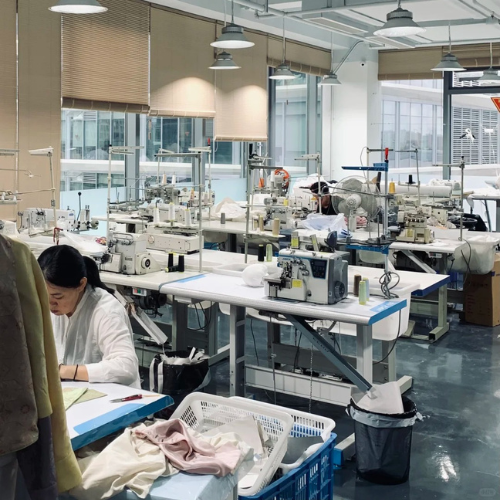
3. Production Dynamics and Scalability
When deciding which route to take for your next wholesale order, it is important to consider the production cycle. Seamless production involves a more complex setup phase. Because the machine must be programmed for a specific size and pattern, it is ideal for high-volume orders or brands looking for a consistent, "hero" product line that they can restock year-round. It’s the go-to for "athleisure" brands that prioritize a sleek, minimalist aesthetic.
Cut & Sew production, on the other hand, is much more agile. It allows for quicker changes in design and easier implementation of different fabric types within a single collection. If you are a startup looking to test multiple styles or trendy silhouettes with lower risk, Cut & Sew provides the flexibility to pivot your designs based on market feedback.
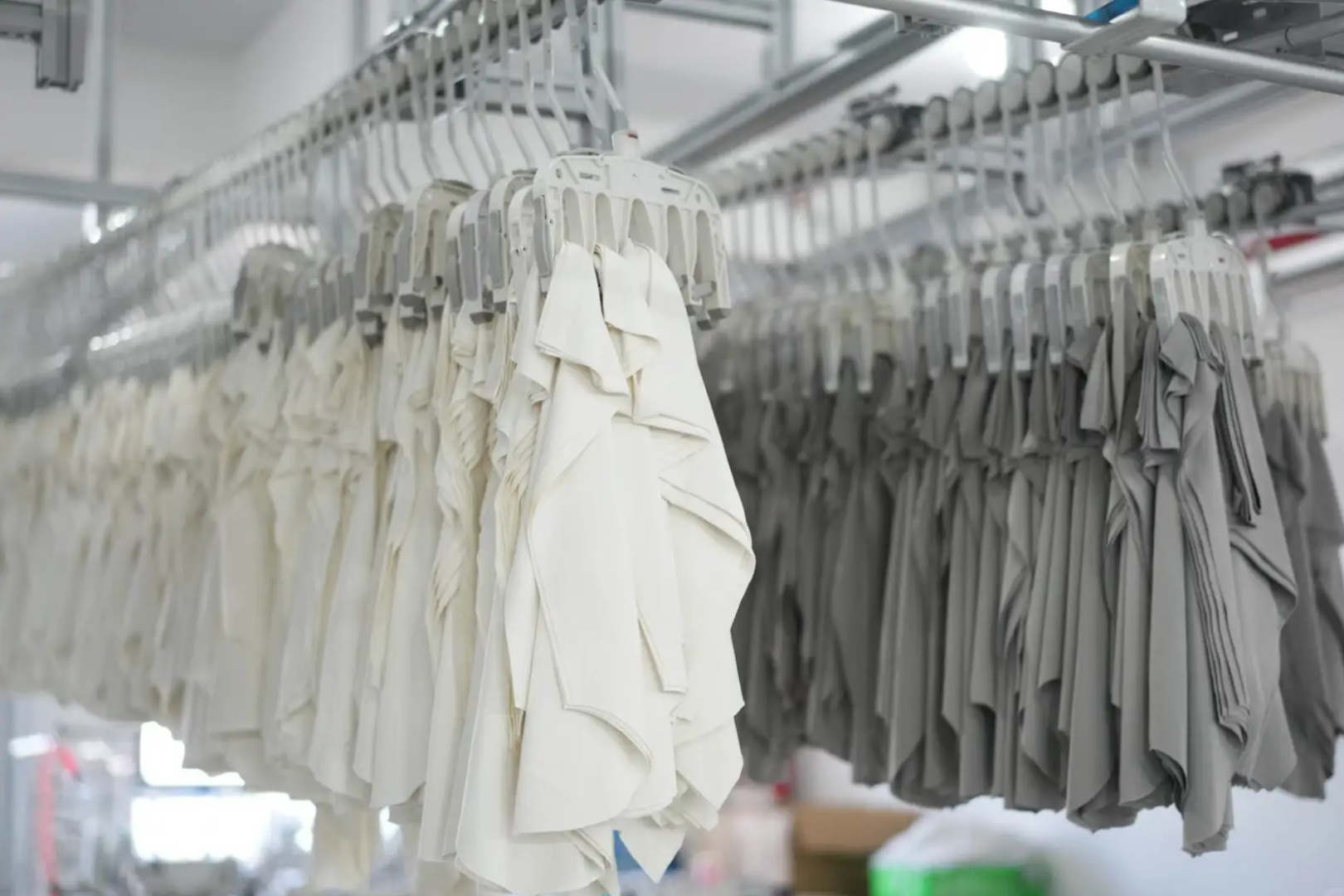
4. The Quality Frontier: Durability and Performance Testing
In the B2B world, quality isn't just a luxury—it’s a requirement to prevent costly returns. The way we ensure quality at Ziyang differs significantly between these two methods.
For Seamless activewear, the focus is on "Yarn Integrity." Because the garment is knitted as one piece, the strength of the product lies in the quality of the nylon or polyester fibers. We perform rigorous stretch-recovery tests to ensure that after 100+ washes, the leggings don't lose their shape. Since there are no side seams to rip, these garments are incredibly long-lasting, though they require precise heat-setting during the dying process to prevent shrinkage.
For Cut & Sew activewear, quality control focuses on "Seam Strength." We utilize specialized machinery to create seams that are flat against the skin to prevent chafing but strong enough to withstand the high pressure of a heavy workout. We also conduct "grin-through" tests on these garments to ensure that even when the fabric is at maximum stretch, the stitching remains opaque and the seams do not pull apart.
5. Market Trends: Hybrid Collections and Consumer Demand
As we look toward future seasons, the most successful global brands are no longer choosing just one method; they are building Hybrid Collections. Consumers now expect a diverse wardrobe that covers every aspect of their active life, and as a wholesaler, offering both can significantly increase your market share.
Currently, we see a massive surge in Seamless demand for the "Wellness" sector—soft, pastel-colored sets for meditation, Pilates, and at-home lounging. Conversely, the Cut & Sew market is being driven by the "Outdoor Performance" trend. Consumers want pockets, adjustable straps, and reinforced panels for hiking or CrossFit. By offering a mix of both, your brand can capture the customer who wants a "naked-feel" legging for yoga and a structured, pocketed legging for a weekend run.
Conclusion: Matching Your Brand to the Method
Ultimately, the choice depends on your brand’s DNA. If your brand is defined by innovation and a soft-touch experience, we recommend a Seamless collection. If your brand focuses on fashion-forward designs and complex functionality, Cut & Sew will give you the creative freedom you need.
At Ziyang, we bridge the gap. Our facility is equipped with both advanced circular knitting technology and high-efficiency sewing lines. We help you navigate these technical specifications so you can focus on what matters most: growing your brand.
Post time: Jan-17-2026
