

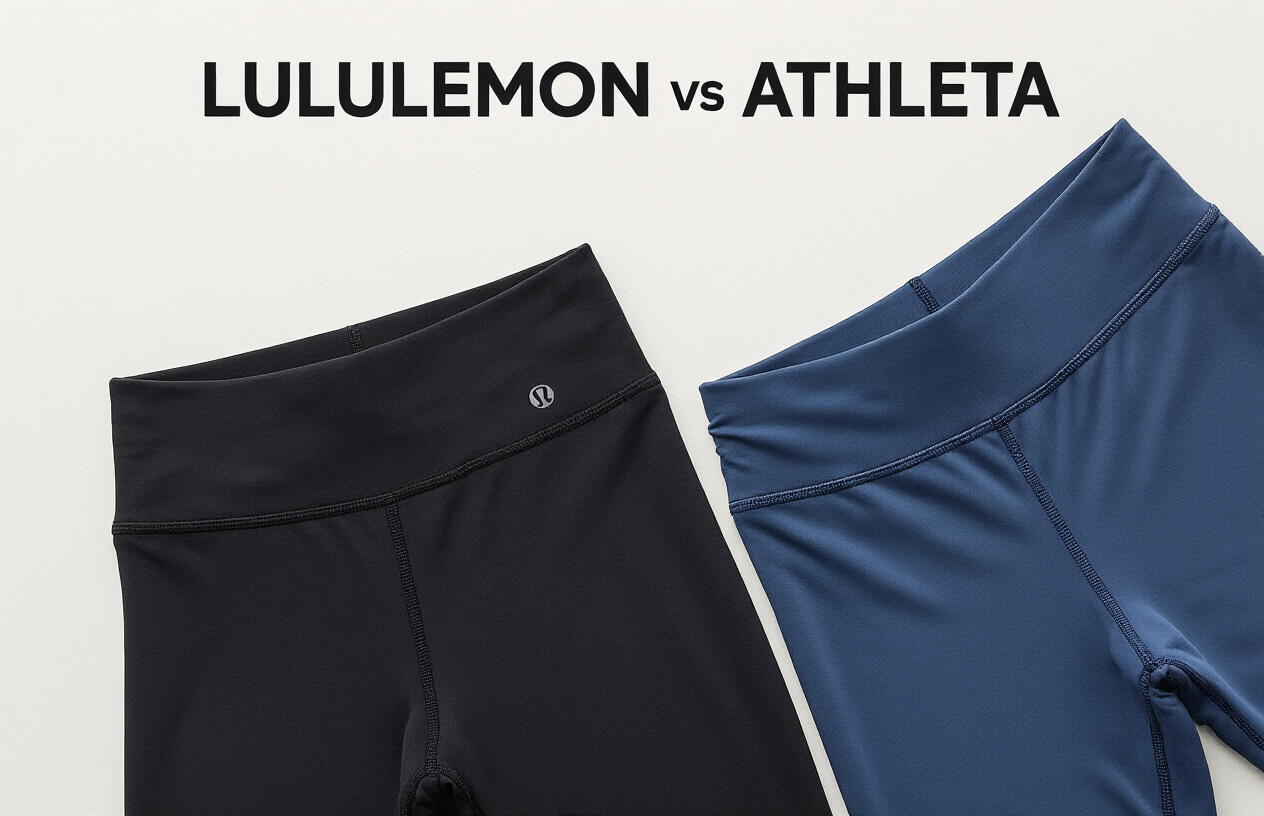
Looking for the perfect pair of leggings but can't decide between two of the biggest names in premium activewear? This Lululemon vs Athleta comparison breaks down everything you need to know to make the right choice for your workout wardrobe.
This guide is for active women who want high-quality leggings that can handle everything from yoga class to high-intensity workouts without breaking the bank on the wrong pair.
We'll dive deep into how these athletic leggings review against each other across key factors that actually matter. You'll get the real scoop on fabric technology and material quality, including which brand's workout leggings fabric technology actually delivers on its promises. We'll also compare fit and comfort across different body types, plus break down the price point differences so you know if you're getting true value for your money.
By the end, you'll know exactly which brand wins this athletic wear brand battle for your specific needs and budget
1. Brand Background and Market Position
Lululemon's Premium Positioning and Yoga Heritage
Lululemon emerged from Vancouver in 1998 as a luxury athletic wear brand that revolutionized the yoga pants market. Founded by Chip Wilson, the company built its reputation on creating high-quality yoga apparel that seamlessly transitioned from studio to street. This premium positioning became the cornerstone of Lululemon's identity, establishing the brand as a lifestyle choice rather than just workout gear.
The brand's yoga heritage runs deep, with early products designed specifically for hot yoga practitioners who needed moisture-wicking fabrics that could handle intense heat and sweat. This focus on technical innovation for yoga created a devoted following among instructors and serious practitioners who became walking advertisements for the brand.
What sets Lululemon apart is its ability to create community around the brand. Their stores function as local fitness hubs, hosting yoga classes and running groups that build customer loyalty beyond just product sales. This community-driven approach helped establish Lululemon as more than just an activewear company – it became a lifestyle brand that represents wellness, mindfulness, and premium quality
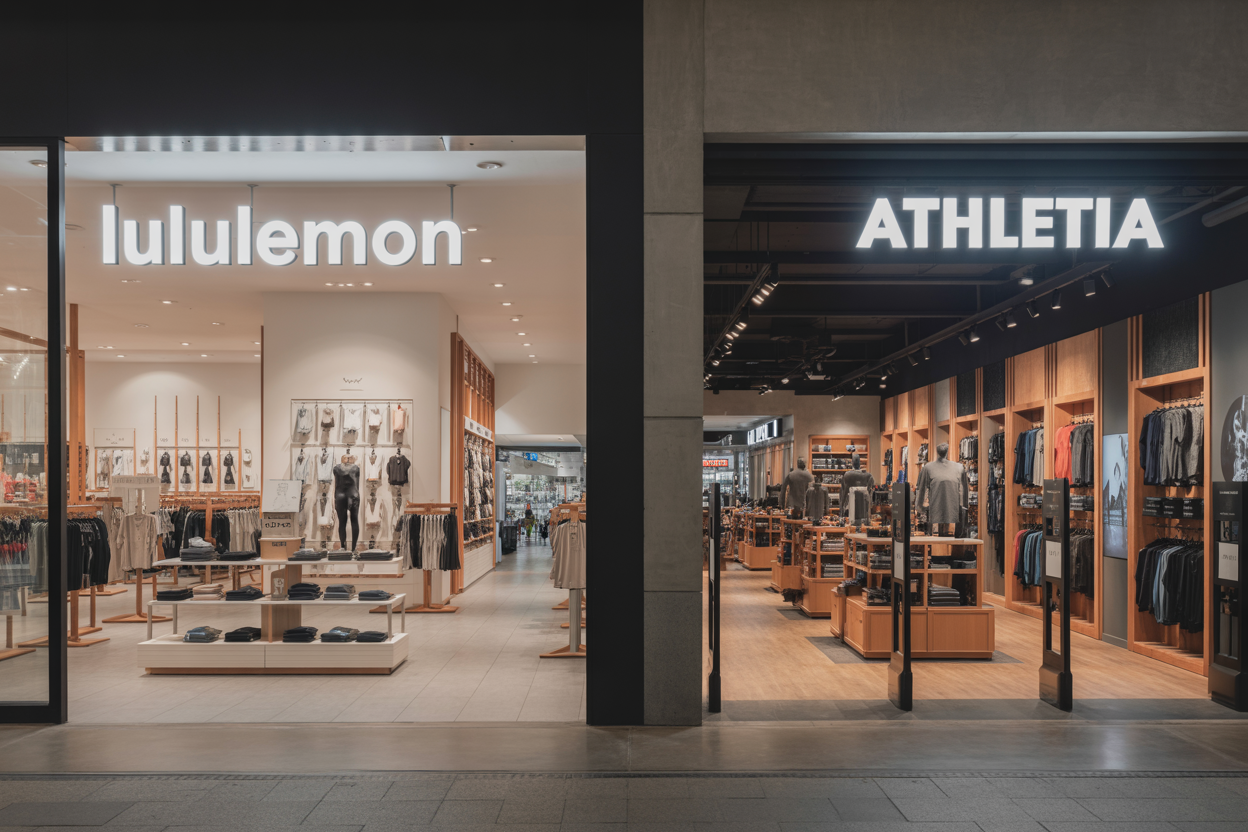
Athleta's Gap Inc. Ownership and Athletic Focus
Athleta launched in 1998 with a different vision entirely. Originally focused on women's athletic performance wear, the brand was acquired by Gap Inc. in 2008, which provided the resources and retail infrastructure to compete with established activewear giants. This corporate backing gave Athleta significant advantages in terms of supply chain management, retail distribution, and marketing reach.
Under Gap's ownership, Athleta developed a broader athletic focus compared to Lululemon's yoga-centric origins. The brand positions itself as performance-driven activewear for women who participate in various sports and activities, from surfing and skiing to running and strength training. This athletic versatility approach appeals to multi-sport athletes who want gear that performs across different activities.
Athleta's messaging emphasizes empowerment and inclusivity, with campaigns featuring diverse athletes and body types. The brand's "Power of She" initiative showcases female athletes and promotes gender equality in sports, creating a strong brand identity that resonates with socially conscious consumers
Market Share and Retail Presence
Lululemon dominates the premium activewear segment with annual revenues exceeding $6 billion, representing significant growth from its yoga-focused origins. The brand operates over 500 stores globally, with strong presence in major metropolitan areas and affluent suburbs. Their direct-to-consumer model, combining physical stores with robust e-commerce, generates higher profit margins than traditional wholesale approaches.
Athleta, while smaller than Lululemon, benefits from Gap Inc.'s extensive retail network and operational expertise. The brand operates approximately 200 standalone stores plus shop-in-shop locations within select Gap stores. This retail strategy provides broader geographic reach and introduces Athleta to customers who might not seek out specialized activewear stores.
Both brands have invested heavily in digital presence and omnichannel retail strategies, recognizing that modern consumers expect seamless shopping experiences across online and offline touchpoints. The athletic leggings review market shows both companies competing fiercely for market share in the rapidly growing women's activewear segment
2. Fabric Technology and Material Quality
Lululemon's signature Luon and Nulu fabrics
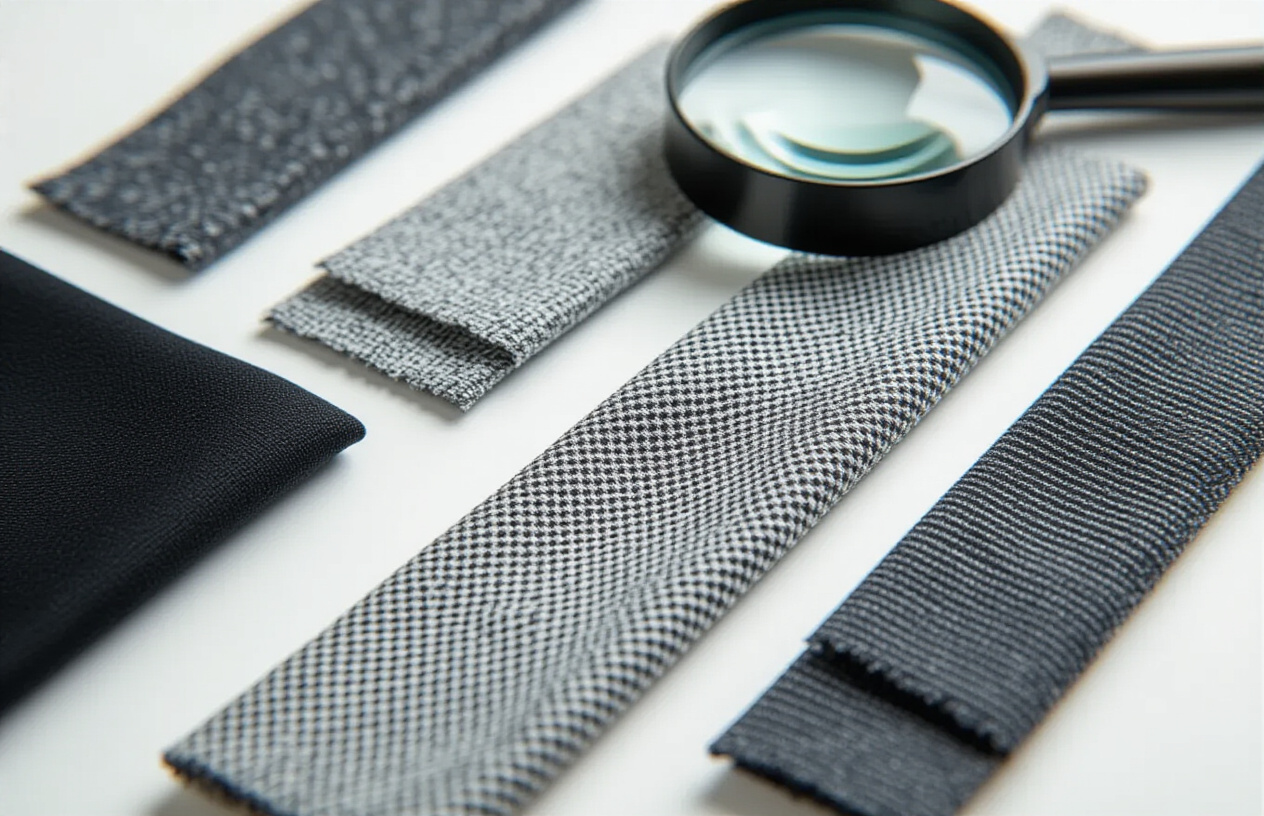
Lululemon built its reputation on two game-changing fabrics that revolutionized the athletic leggings market. Luon, the brand's original signature material, combines nylon and lycra to create a four-way stretch fabric that feels like a second skin. This cotton-soft blend offers exceptional coverage and support, making it ideal for yoga and low-impact activities. The fabric's unique composition provides a matte finish that photographs beautifully and resists pilling during regular wear.
Nulu represents Lululemon's premium fabric innovation, engineered specifically for the Align collection. This buttery-soft material weighs just 81 grams per square meter, making it incredibly lightweight while maintaining excellent stretch and recovery. The fabric's naked sensation feel has created a cult following among yoga enthusiasts and casual wear lovers. Nulu's construction uses a special spinning process that creates longer fibers, resulting in superior softness and reduced friction against the skin.
Both fabrics incorporate flatlock seaming technology that eliminates chafing and creates a smooth silhouette. The strategic placement of seams enhances the body's natural curves while providing functional benefits like phone pockets and waistband comfort.
Athleta's Salutation and Powervita materials
Athleta's fabric technology centers around versatility and performance across multiple activities. Salutation fabric represents their premium yoga-focused material, combining recycled nylon with lycra for a sustainable yet high-performance option. This fabric offers excellent compression and support while maintaining the flexibility needed for complex yoga poses and stretching routines.
Powervita stands as Athleta's flagship performance fabric, engineered for high-intensity workouts and running. The material features advanced moisture-wicking properties and enhanced durability compared to softer yoga-specific fabrics. Powervita's construction includes reinforced fibers that resist pilling and maintain shape retention even after hundreds of washes.
The brand's commitment to sustainability shines through their use of recycled polyester and nylon in many fabric blends. Athleta's ECONYL regenerated nylon, made from fishing nets and carpet waste, demonstrates their environmental consciousness without compromising performance quality.
3. Fit, Comfort, and Size Range
Sizing Consistency and Fit Accuracy
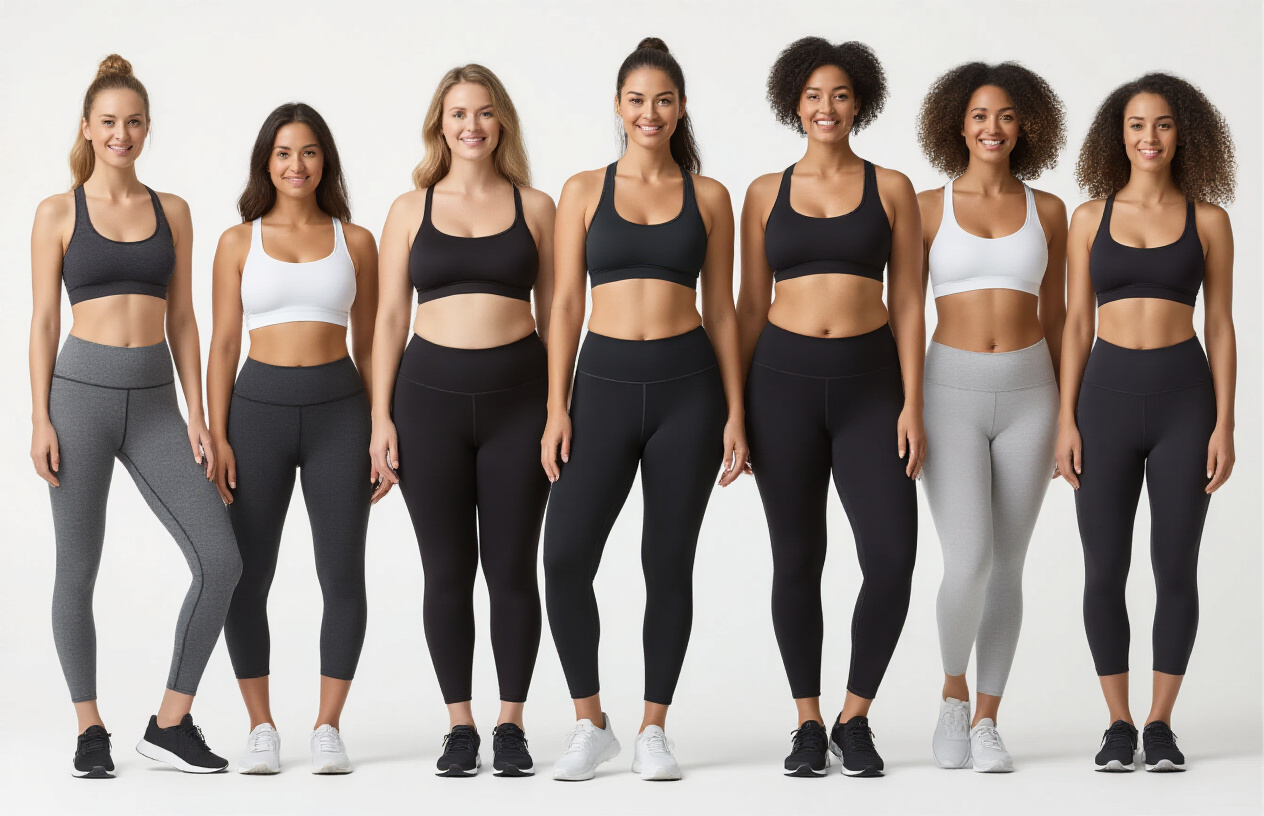
Both brands approach sizing differently, and this shows up in how their leggings actually fit on your body. Lululemon has built a reputation for consistent sizing across their product lines, which means if you're a size 6 in their Align leggings, you'll likely be the same size in their Wunder Train styles. Their sizing runs slightly smaller than typical retail standards, so many customers find they need to size up from their usual clothing size.
Athleta takes a more relaxed approach to sizing, often running closer to standard retail measurements. Their leggings tend to have a more forgiving fit through the waist and hips, making them feel less restrictive for everyday wear. However, this can sometimes mean less precision in fit, especially for those who prefer a more sculpted silhouette.
The fit accuracy between these brands becomes obvious when you compare their size charts. Lululemon's measurements are precise down to the quarter-inch, while Athleta uses broader size ranges that accommodate more body variation within each size category.
4. Performance Across Different Activities
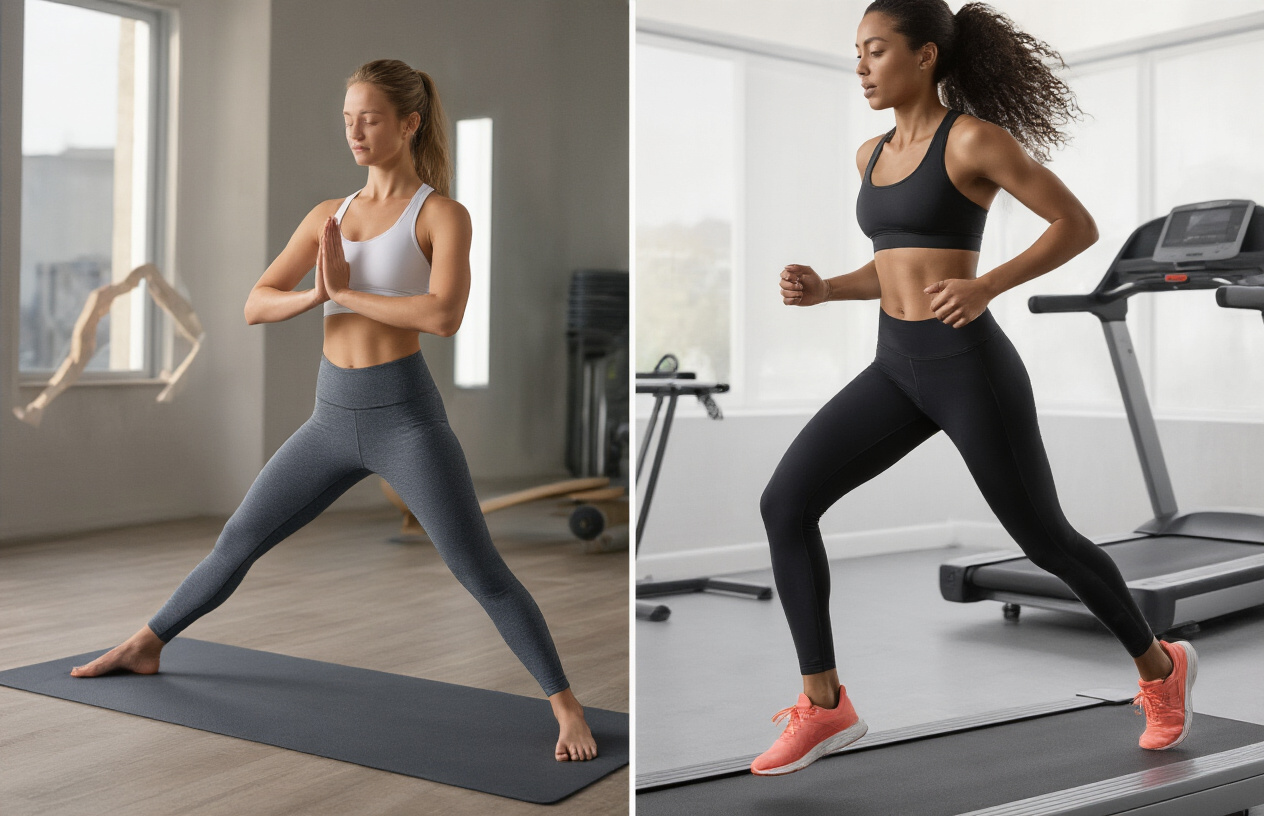
Both Lululemon and Athleta excel in the yoga studio, but their approaches differ significantly. Lululemon's signature Align fabric creates that second-skin feeling many yogis crave. The buttery-soft texture moves seamlessly through poses without bunching or pulling, while the four-way stretch accommodates deep stretches and challenging positions. The seams lie flat against the skin, preventing irritation during floor work and inversions.
Athleta's Salutation leggings bring their own strengths to the mat. The high-waisted design provides extra core support during standing poses, while the moisture-wicking properties keep you comfortable through heated sessions. The fabric has a slightly more substantial feel than Lululemon's Align, which some practitioners prefer for added coverage and confidence.
For Pilates add barre classes, both brands perform admirably. Lululemon's seamless construction prevents rolling and bunching, while Athleta's reinforced waistband stays put during dynamic movements. The key difference lies in compression levels - Athleta typically offers more muscle support, while Lululemon prioritizes unrestricted movement.
High-Intensity Workout Suitability
When the workout intensity ramps up, the performance gap between these brands becomes more apparent. Lululemon's Wunder Train and Fast and Free collections shine during high-intensity sessions. The Everlux fabric wicks sweat efficiently while maintaining its shape through burpees, jumping jacks, and mountain climbers. The drawstring waistband on Fast and Free leggings provides extra security during explosive movements.
Athleta's Salutation Tights and Ultra High Rise Tights handle intense workouts with impressive durability. The PowerVita fabric offers superior compression, which helps reduce muscle fatigue during demanding sessions. The side pockets on many Athleta styles prove invaluable for storing essentials during circuit training or gym workouts.
Both brands resist pilling and maintain their elasticity even after repeated high-sweat sessions. However, Athleta's slightly thicker construction tends to hold up better against rough surfaces and equipment friction
Conclusion
By investing in waterless dyeing, the activewear sector is not just making clothes greener—it is establishing a new, ethical benchmark for textile production that is both high-performing and environmentally responsible
Post time: Dec-01-2025
