

Is Polyester Hot for Running ? Breathability Explained
For any activewear manufacturer or brand supplying the ropa deportiva para hombre market, the single most critical decision is the fabric—especially when designing gear for hot weather or high-intensity running. The common wisdom is that cotton is cool and polyester is hot.
But in the world of modern gym apparel and technical textiles, this simple rule is outdated. For performance gear, engineered fabrics are often the superior choice thanks to moisture wicking and breathability.
This guide, brought to you by ZIYANG, a leading wholesale athletic wearfabrica ropa deportiva, breaks down the polyester vs cotton debate for summer sports and supports private label activewear teams and proveedores de ropa deportiva al por mayor
1. The Myth of the "Hot" Polyester
Polyester's Performance Advantage: Moisture Wicking
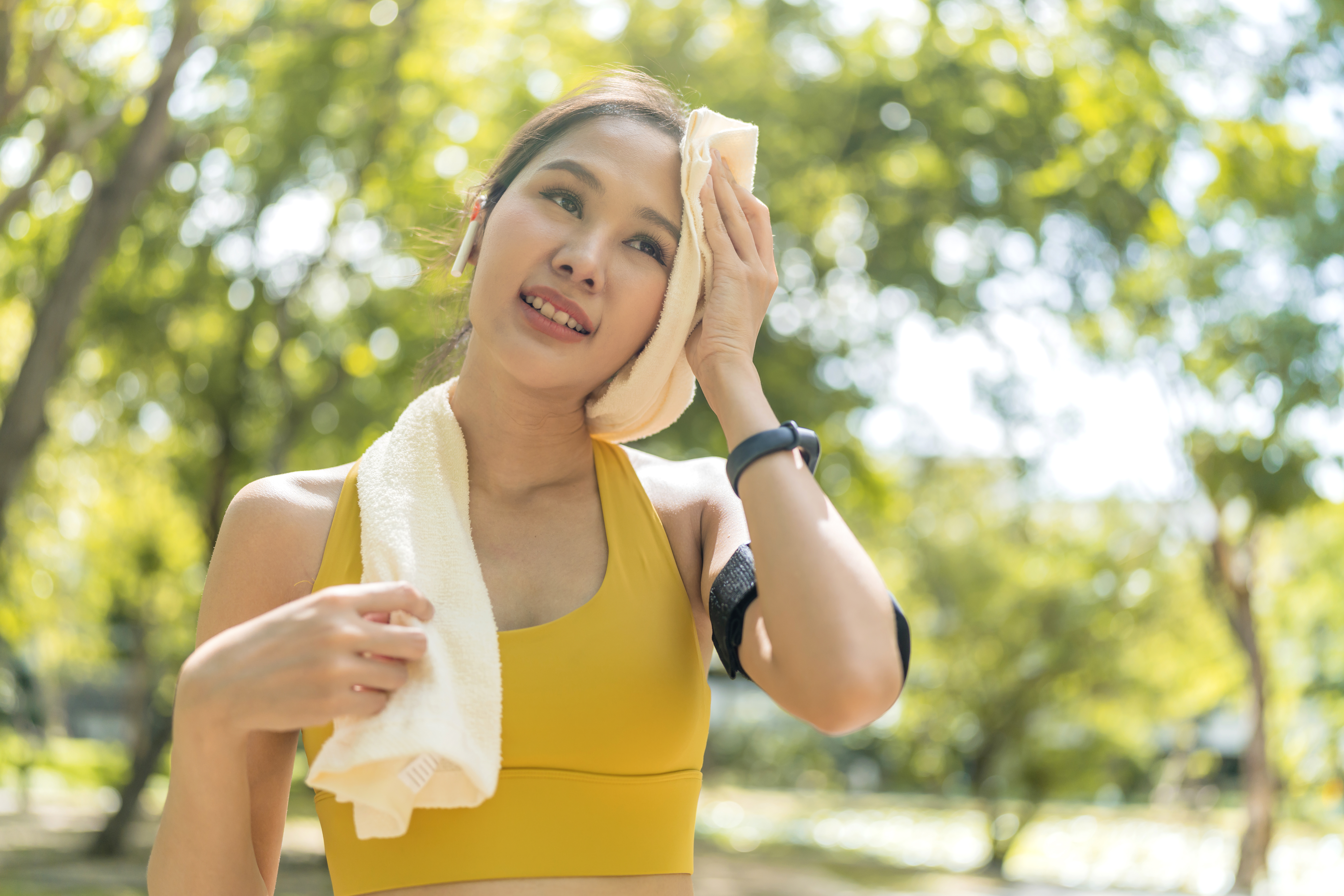
When you run, your body cools itself through evaporative cooling—sweat evaporates from your skin, taking heat with it. For this to work efficiently, the fabric must move sweat away from the body quickly.
- Polyester (a winner for performance): As a hydrophobic fiber, it does not absorb sweat; it wicks it. It uses capillary action to pull moisture from the skin to the fabric's outer surface, where it spreads out and evaporates rapidly. This keeps your skin dry and allows the body's natural cooling mechanism to function effectively, making it perfect for high-intensity gear like musculosa de compresion, remera primera piel base layers, or technical shorts
- Cotton (the summer trap): Cotton is naturally breathable and comfortable for casual wear, but it is highly absorbent. Once you start sweating heavily, cotton fibers absorb and hold that moisture (becoming a "sweat sponge"). The garment becomes heavy, damp, and clings to the skin, which blocks the airflow needed for evaporation and can lead to painful chafing. The result is that wet cotton feels much hotter than a well‑wicking technical fabric
2. Breathability vs. Moisture Wicking: What's the Difference?

This is the core concept every activewear manufacturer must understand: the choice between cotton and technical fibers ultimately depends on the garment's intended function, balancing natural airflow against engineered sweat management. When considering traditional breathability (pure airflow), cotton often appears superior due to its soft, natural weave, making it comfortable and cool for low‑sweat activities or casual wear. However, for high‑intensity training like running , polyester-rich performance fabrics take the lead because of their moisture wicking characteristics.
Specifically, when analyzing moisture management, cotton is highly absorbent—it can soak up many times its weight in water, quickly becoming heavy, sticky, and slow to dry, which ultimately inhibits the body's cooling process. In contrast, modern synthetic fibers are designed for superior moisture wicking; they repel water, drawing sweat away from the skin and spreading it across the fabric surface for rapid evaporation. This technical advantage ensures gear stays lightweight and helps keep the athlete dry and cool even during peak exertion.
Furthermore, for a wholesale athletic wear inventory, performance textiles offer strong durability: they are highly resistant to shrinking, stretching, and fading, helping the garment maintain its shape and color through repeated washes, whereas cotton can wear down and lose its form more quickly. For any performance piece—from men's compression shorts to full calzas hombre the quick-drying, durable properties of engineered blends make them an essential choice. Some athletes also prefer mens leggings under shorts for added coverage during running
3. Modern Solutions: Blends and Activewear Manufacturing
To mitigate the slight lack of natural airflow in older synthetics, modern fabrica ropa deportiva partners use advanced textile engineering:
- Microfiber & Mesh: High-quality running apparel utilizes fine denier yarns and strategically placed mesh panels or micro-holes to increase ventilation. This provides durability and moisture wicking with engineered airflow for better breathability.
- The Spandex Blend: Performance fabrics are typically blended with elastane (Lycra or spandex) to deliver the four-way stretch essential for garments like calzas hombre and calzas hombre 3/4, as well as men's compression shorts and compression shorts men train in. This blend maximizes quick-drying performance while providing a supportive, second-skin feel that can help reduce muscle fatigue. It also works for tops, remera primera piel, and even a musculosa termica designed for variable conditions.
- Sustainable Alternatives: As a responsible mayorista deportivo, ZIYANG offers options like recycled polyester, which uses fewer resources and diverts plastic waste while maintaining the performance and durability athletes expect.
If your line caters to high-performance athletes or brands focused on technical gear, choose well‑engineered blends over 100% cotton for any item designed for movement—from tops to compression shorts men prefer and versatile calzas hombre 3/4. The result is a lighter, drier, and often cooler experience for the runner, even in peak summer.
Source your next performance line with ZIYANG. We specialize in high-quality, low moq athletic apparel built with technical fabrics to meet the demands of every climate—ideal for private label activewear and growing wholesale athletic wear programs
Click Here to Start Your Partnership with ZIYANG Today!
Post time: Dec-12-2025
