

The secret to great activewear lies beneath the surface: the fabric. It's no longer just about fashion; it's about equipping your body for optimal performance, recovery, and comfort. Activewear has evolved from simple sweatpants and cotton tees to a sophisticated category of clothing engineered to meet the demands of every type of movement, from a marathon to a yoga flow. Choosing the right fabric is arguably the most crucial decision you can make when investing in your fitness wardrobe. The right material can regulate your temperature, prevent chafing, and even reduce muscle fatigue.
I. The Synthetic Workhorses: Moisture Management & Durability
These three fabrics form the foundation of modern activewear, prized for their ability to manage sweat and provide essential stretch.
1. Polyester:
As the workhorse of modern activewear, Polyester is prized for its exceptional moisture-wicking capabilities, quickly drawing sweat away from the skin to the fabric's surface where it evaporates rapidly. This synthetic fiber is lightweight, highly durable, and resistant to shrinking and stretching. Due to its cost-effectiveness and quick-drying nature, Polyester is ideal for high-intensity workouts, running gear, and general gym wear, where staying dry and comfortable is the primary goal.

2. Nylon (Polyamide):
Known for being strong, durable, and possessing a slightly luxurious, soft feel, Nylon is a staple in high-quality athletic apparel, often blending with spandex. Like Polyester, it is an excellent moisture-wicking and fast-drying fabric, but it often has superior abrasion resistance and a smoother hand-feel. This makes it particularly effective for garments that endure a lot of rubbing, such as sports bras, technical base layers, and high-quality leggings where softness and resilience are essential.
3. Spandex (Elastane/Lycra):
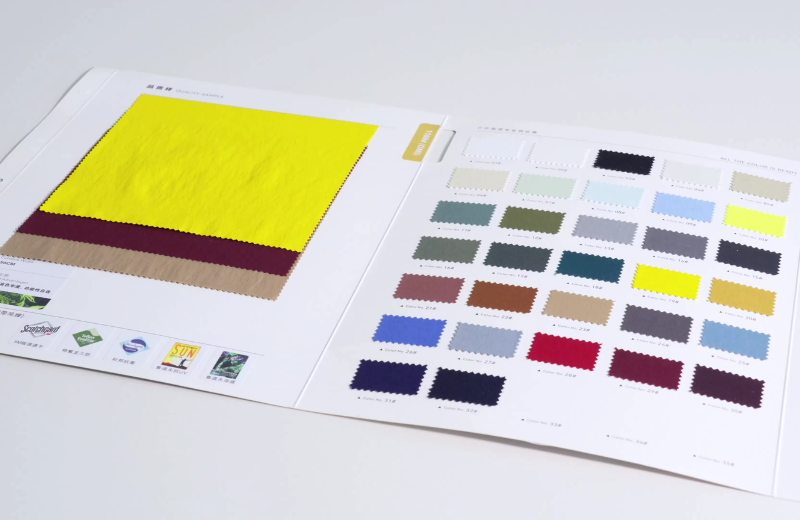
This fiber is rarely used alone but is crucial as a blending component, providing the necessary elasticity, stretch, and recovery in virtually all form-fitting activewear. Spandex allows a garment to stretch significantly (often up to 5-8 times its length) and snap back to its original shape, which is vital for providing compression and ensuring a full, unrestricted range of motion. It is indispensable for compression shorts, yoga pants, and any garment where support, shaping, and flexibility are paramount

II. Natural Performance & Eco-Friendly Options
While synthetic fabrics dominate, certain natural and regenerated fibers offer unique benefits for comfort, temperature, and sustainability
4. Merino Wool:
Forget the image of a scratchy wool sweater; Merino wool is the ultimate natural performance fiber. This incredibly fine and soft material offers superior thermoregulation, an essential property that helps keep you warm when temperatures drop and surprisingly cool when the heat is on. Furthermore, Merino is naturally anti-microbial, allowing it to resist odor exceptionally well, making it the perfect choice for demanding activities like hiking, cold-weather running, and base layers for skiing, or even multi-day trips where washing your gear isn't an option.
5. Bamboo Viscose (Rayon):
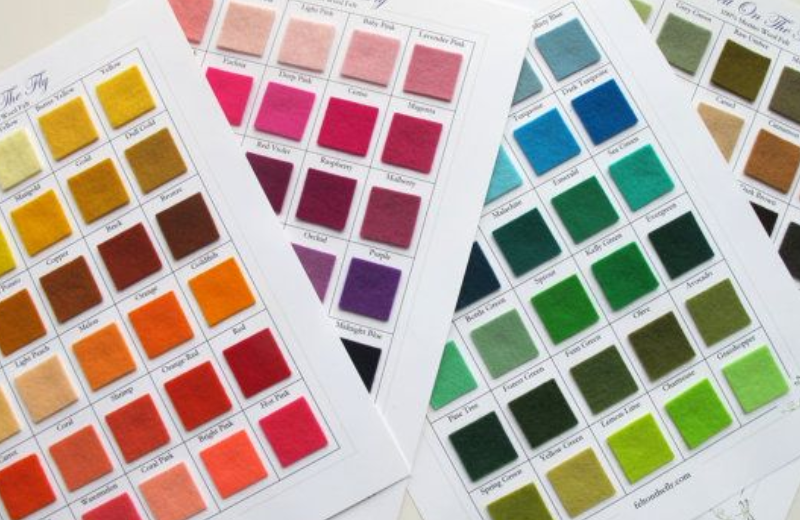
Bamboo-derived fabric is incredibly popular due to its exceptional softness, which feels like a mix of silk and cotton against the skin. It is highly breathable and has excellent moisture absorption and wicking properties, making it great for managing sweat while maintaining a comfortable feel. Often blended with spandex, its hypoallergenic and silky texture makes it ideal for yoga wear, loungewear, and activewear for sensitive skin.

6. Cotton:
Cotton is a highly breathable, soft, and comfortable natural option, but it comes with a major caveat: it absorbs moisture and holds it close to the skin. This can lead to chafing and a heavy, cold feeling during intense exercise, which is why it should be avoided for high-sweat activities. It is best reserved for casual athleisure, light stretching, or outer layers worn before or after a sweat session.
III. Specialized Finishes and Blends
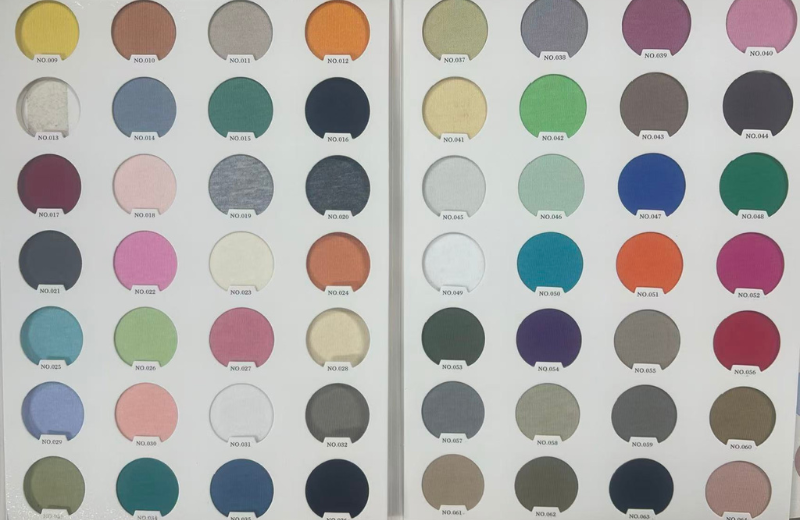
Beyond the base fiber composition, modern activewear utilizes specialized finishes and construction techniques that provide targeted benefits. For thermal regulation and next-to-skin comfort, the Brushed Interior technique creates a soft, napped surface that helps to trap heat, making it perfect for winter gear. To counter heat, features like Mesh Panels are strategically placed to enhance ventilation and maximize airflow in high-sweat zones. Furthermore, to combat friction and ensure a sleek look, techniques like Seam-Sealed or Bonded construction replace traditional stitching to minimize chafing, while Anti-Odor/Anti-Microbial treatments are applied to inhibit the growth of bacteria, keeping garments fresh during and after intense workouts.
Post time: Oct-28-2025
